


Animal-Assisted Occupational Therapy: A Parent's Guide


A dog in a therapy session might sound like a gimmick. It isn't. When a trained therapy animal is deliberately integrated into occupational therapy by a qualified therapist, it becomes what clinicians call a co-therapist, a partner that helps children and young adults reach goals in ways that humans alone sometimes can't.
At Planet Ability in Warrandyte, our animal team includes certified therapy dogs and miniature donkeys, and sheep they're part of a considered clinical framework. Here's what families should know.

First: what animal-assisted therapy is (and isn't)
Animal-assisted therapy (AAT) is goal-directed: the animal is included in a session because their presence supports a specific therapeutic objective regulation, communication, motor skills, engagement.
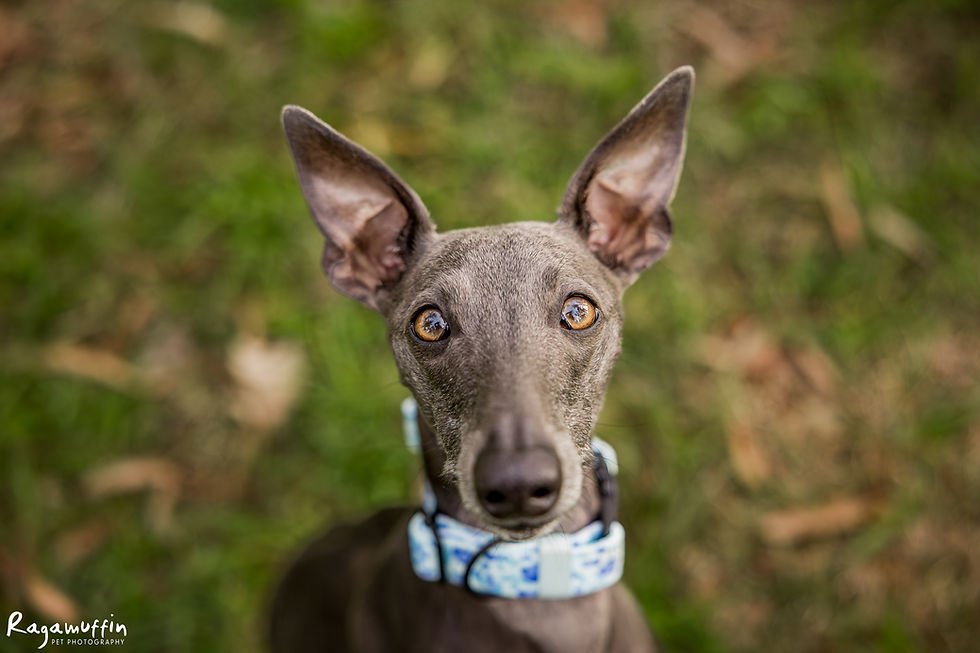
That's different from an animal encounter (a lovely visit with no clinical structure) and different again from an emotional support animal. Our therapy dogs are trained co-therapists with specific "jobs" in a session. Our miniature donkeys and sheep play a different, equally deliberate role: creating emotional safety and motivation, especially for young people for whom walking through the clinic gate is the hardest part.
Both are legitimate supports the key is that your provider can tell you which one your child is receiving and why.

How can animals help in OT?
Used intentionally by an occupational therapist, animals can support progress in three big ways:
1. Regulation and feeling safe. Many neurodivergent people live with a nervous system on high alert. A calm, predictable animal can help the body settle, which is the precondition for everything else. For some clients, simply having a dog rest nearby is the most regulating moment of their week.
2. A bridge for communication. Talking to a new adult therapist can feel intimidating. Talking about a dog or to one is easier. Animals become a safe, non-judgmental middle ground from which conversation, emotional expression and social skills can grow.
3. Motivation for hard work. Practising fine motor skills or following multi-step instructions can be frustrating. Ask a child to brush a donkey, buckle a dog's harness, or design an agility course for a canine teammate, and suddenly the "hard task" is a game they want to play. The skill-building is real; the struggle is optional.
A note on evidence: AAT is a growing field, and experiences vary from person to person. What matters is how your child responds, which is why animal involvement is always tailored, observed and reviewed, never assumed.

Who tends to benefit?
Every client is different, but in our experience animal-assisted sessions work especially well for:
children and young adults navigating anxiety or difficulty feeling safe with new people,
autistic and ADHD clients working on regulation, interoception and body awareness,
kids working on motor planning, sequencing and executive functioning, who thrive with a motivating, playful partner,
clients who need a low-demand environment our miniature donkeys move slowly and predictably, which can be wonderfully calming.
When is it not the right fit?
Being neurodiversity-affirming means being honest about fit, not promising that one approach suits everyone. Animal involvement is generally avoided when:
a client has a significant fear of animals therapy should never start with forced exposure to a trigger,
there are severe allergies or medical vulnerabilities,
a client struggles to respect an animal's boundaries even after coaching, the wellbeing of both client and animal comes first.
In these cases, sessions continue human-led in a different area of our 2.5-acre Warrandyte property. There is always a plan B, and it's a good one.

What does a session actually look like?
It depends entirely on the goals. It might look like grooming a donkey while checking in on how the morning went. Building a movement course for a dog that sneaks in balance, planning and coordination. Practising gentle touch and turn-taking. Or simply sitting quietly with an animal while your nervous system catches its breath — which, for some young people, is exactly the right session.
Animals are one tool among many. Some weeks your child might work with an animal; other weeks not at all. The therapy plan leads; the animals support.
Frequently asked questions
Does my child need to love animals for this to help? Liking animals helps, but it's not required — and fear is always respected. If animals aren't a fit, your child's therapy simply doesn't include them.
Are the animals trained? Yes. Our therapy dogs are trained, certified team members, and animal interactions are supervised by our OTs at all times. You can read more about our approach in our posts on why we use therapy dogs in OT and why miniature donkeys joined the team.
Is animal-assisted therapy covered by the NDIS? Where animal-assisted strategies are part of a therapeutic OT program, they're delivered as occupational therapy and billed as such. Ask any provider exactly how they structure this before you start.
We're not near Warrandyte — can we still access this? Our property-based animal work happens at our Warrandyte clinic in Melbourne's east, handy to communities like Ringwood, Croydon, Donvale and Templestowe. Our telehealth OT sessions, however, run Australia-wide.
The takeaway
Animals can't replace therapy but in skilled hands, they can open doors that therapy alone sometimes can't: to regulation, to communication, to motivation, and to a child who wants to come to sessions.
Curious whether it could work for your family? Enquire here and come meet the team, two-legged and four-legged alike.

Comments