.png)


Why Therapy Dogs are Changing the Game in Occupational Therapy
- May 25
- 3 min read
Updated: Jun 9
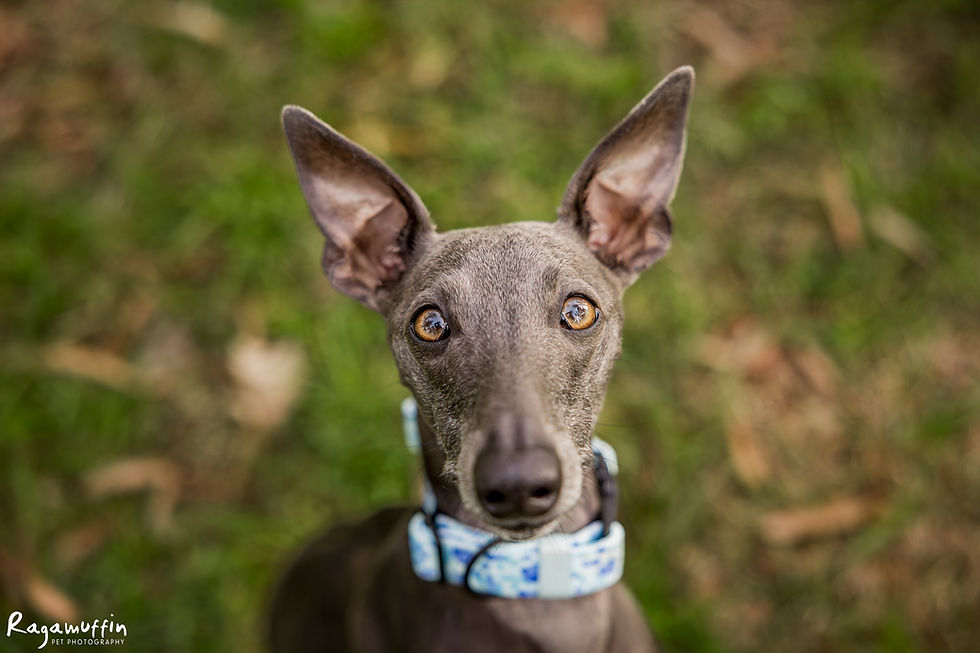
If you’ve visited Planet Ability, you’ve likely seen one of our hardest-working team members. They have four legs, wet noses, and an incredible knack for helping people feel completely understood.
Animal-Assisted Therapy (AAT) is far more than just having a friendly dog in the clinic room; it is a powerful, evidence-based modality. When integrated into occupational therapy, a trained therapy dog acts as a co-therapist, helping clients reach their goals in ways humans sometimes can't.
Here is a closer look at why we have embraced animal-assisted therapy, who benefits from it most, and when we choose a different therapeutic path.
Why We Integrate Therapy Dogs into OT Sessions
Occupational therapy is all about building skills for the job of life. For children and young adults, that "job" includes self-regulation, socialising, communicating, and managing daily tasks.
By partnering with our certified therapy dog, we can support progress towards these goals through several ways:
🚀 Co-Regulation and Nervous System Grounding:
Neurodivergent individuals frequently experience a state of high nervous system arousal or anxiety. The physical presence of a calm, trained dog immediately lowers cortisol (stress hormones) and triggers the release of oxytocin (the bonding hormone). A client can practice deep pressure therapy simply by having a dog rest its head on their lap, helping them feel grounded and ready to engage.
🚀 A Bridge for Communication:
Building rapport with a new human therapist can feel intimidating. A therapy dog acts as a non-judgmental, safe bridge. Clients often find themselves talking to or about the dog, which organically opens the door to social interaction, emotional expression, and language development.
🚀 Joyful Motivation for Hard Tasks:
Practicing gross motor skills, fine motor tasks, or following multi-step directions can sometimes feel repetitive or frustrating. But when a child is asked to button a dog’s winter vest, brush their fur, or navigate an obstacle course with a canine partner, the hard work transforms into an engaging, play-based game.
Which Clients Excel with Animal-Assisted Therapy?
While we love our canine co-therapist, we always take a clinical, individualised approach to deciding if a dog should join a session. Animal-assisted therapy is highly effective for specific profiles:
1. Clients Navigating Anxiety and Trauma
For individuals who experience high social anxiety, non-verbal/ shutdown periods, or hypervigilance, a therapy dog provides an atmosphere of unconditional positive regard. Dogs don't read social missteps or demand eye contact; they simply offer a comforting, steady presence that makes the clinic feel safe.
2. Autistic and ADHD Individuals Seeking Regulation
Many neurodivergent clients experience deep sensory and emotional benefits from working with animals. Whether it is feeling the of a dog breathing during a shutdown, practicing interoception skills by identifying how the dog is feeling, or learning about boundaries and body language through a dog's cues, the learning is intuitive and authentic.
3. Kids Working on Motor and Executive Functioning
If a client is working on motor planning, balance, or executive functioning (like planning and sequencing), dogs are incredible motivators. Designing an agility course for the dog requires a client to plan, organise materials, use spatial awareness, and give clear, coordinated physical commands.
When is Animal-Assisted Therapy Not the Best Fit?
Part of being a neurodivergent-affirming and responsible clinic means recognising that animal-assisted therapy is not a one-size-fits-all solution. A dog might be excluded from a care plan if a client exhibits certain traits:
🚀 Difficulty with Physical Boundaries or Aggression: To ensure the emotional and physical safety of both the client and our dogs, animal-assisted therapy is generally not suited for individuals who actively struggle with animal-directed aggression, severe impulsivity that results in rough handling, or an inability to respect a dog's boundaries after therapeutic coaching.
🚀 Severe Cynophobia (Fear of Dogs): Therapy should never begin with forced exposure to a major trigger. If a client experiences genuine distress or fear around dogs, their therapy sessions will remain entirely human-led on a different part of our property to ensure they feel safe.
🚀 Allergies or Medical Vulnerabilities: Clients with severe dog allergies, compromised immune systems, or open wounds may need to bypass animal-assisted therapy for health and safety reasons.
A Holistic, Tailored Approach
At Planet Ability, our goal is to support the entire family unit with strategies that are practical, sustainable, and honouring of each individual's unique way of being. Whether your child's tailored path to independence involves playing fetch with Zeena to practice bilateral coordination or working one-on-one with a therapist in a quiet, dog-free sensory space, we are dedicated to finding the exact right fit for their journey.
Want to learn more?
Head over to our dedicated Therapy Dog Page to meet our certified canine team member and learn about their training


Comments